2026 Assembly elections: Decoding BJP’s victory across SC-ST reserved seats in Assam, Bengal
The 2026 Assembly elections were held in Assam, West Bengal, Tamil Nadu, Puducherry and Kerala.
In a significant political development ahead of the 2026 Assembly elections, Kurseong’s ‘rebel’ BJP MLA Bishnu Prasad Sharma joined the Trinamul Congress on Thursday, marking a fresh shift in the political landscape of the Darjeeling hills.




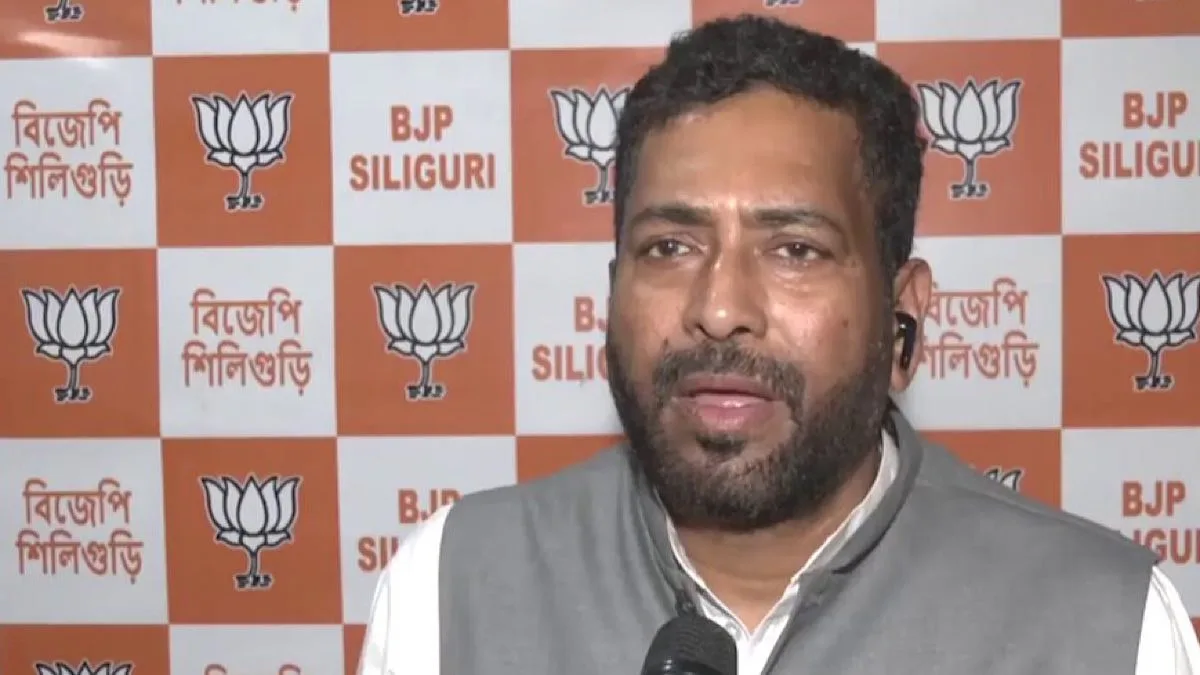
Bishnu Prasad Sharma
In a significant political development ahead of the 2026 Assembly elections, Kurseong’s ‘rebel’ BJP MLA Bishnu Prasad Sharma joined the Trinamul Congress on Thursday, marking a fresh shift in the political landscape of the Darjeeling hills.
Sharma, who had repeatedly voiced his demand for a separate North Bengal citing the need for focused development in the hill region, formally joined the ruling party at Trinamul Bhavan in the presence of senior leaders Bratya Basu and Shashi Panja. His induction is being viewed as politically significant in the run-up to the West Bengal Assembly Election. Elected from Kurseong in 2021 as a BJP candidate, Sharma gradually grew disillusioned with the saffron camp. His primary grievance stemmed from what he described as the BJP’s failure to act on assurances regarding the demand for a separate administrative arrangement for North Bengal. Sharma had consistently championed the cause of a separate state and had, on several occasions, expressed his dissatisfaction both inside and outside the Assembly. He even staged protests to underline his dissent.
Advertisement
Political observers are divided over the impact of his switch. One section believes that the Trinamul Congress is attempting to consolidate its position in the Darjeeling hills through Sharma, hoping to draw additional support in the 2026 polls. Others argue that electoral arithmetic in the hills operates differently and that his defection may not substantially alter voting patterns. During the 2024 Lok Sabha elections, Sharma had contested as an Independent candidate from Darjeeling, demanding a “son of the soil” nominee and opposing both the BJP and the Trinamul Congress.
Advertisement
However, he failed to make a significant impact, while sitting MP Raju Bista retained the seat. Reacting to Sharma’s move, BJP MLA Shankar Ghosh downplayed its importance, stating that Sharma had earlier contested against Bista as an Independent and secured barely 7,000-8,000 votes, asserting that he no longer held relevance within the party. After joining the Trinamul Congress, Sharma expressed faith in Chief Minister Mamata Banerjee’s development model.
Criticising the BJP, he alleged that the party had failed to honour its commitments and had indulged in divisive politics. “I will work under Mamata Banerjee’s development policies and accept whatever responsibility the party assigns me,” Sharma said. He added that despite being elected by the Gorkha community, he was unable to serve their interests effectively under the BJP. Accusing the saffron camp of unfulfilled promises, he remarked that the party had repeatedly projected assurances without delivering tangible results. With the Assembly elections approaching, Sharma’s political realignment has added a new dimension to the evolving equations in the Darjeeling hills.
Advertisement